Pages

Wednesday, April 25, 2012

KENYAN NATIONAL DINNER PHOTO GALLERY-2011/2012


As a Scholar from Kenya, I was thrilled and really excited to showcase my culture through music, history and food. During the Kenyan National dinner we cooked and served  traditional foods from delicious pilau, which is a coastal dish in Kenya to Samosas which have become part of our cultural food especially after the Indians settled in our country. It is amazing to see how many people know or identify themselves with Kenya, Charlotte a fellow scholar also lived in Kenya while working with Free the Children and shared her experiences with us. As an African and a Kenyan, I feel honored to have participated in the Sauve Scholars program. I was also amazed and fascinated by learning about different cultures. My Chinese fellow Scholar has taught me how to eat with chop sticks while Dechen from Bhutan has taught me a Love song in Dzongkha, a tune that I carry with me in Kenya. Mohammed Shaban has shared with me the torments of his people through videos and rich conversations which have increased my understanding on the Middle-East conflict. Anyway, the list is endless. Anyway, let me share with you some basic facts about a country where I was born, a country where I want to make a change.

Some Basic Facts about Kenya:
Kenya is Africa's most popular safari destination and its capital Nairobi's East Africa's economic hub. Kenya has a decent tourist infrastructure and lots of resorts along its coastline. It's a testament to the country's many natural attractions that tourists continue to visit despite being under the official Travel Warning list in several countries including the US.
Location: Kenya is located in Eastern Africa, bordering the Indian Ocean, between Somalia and Tanzania, see map.
Area: 582,650 sq km, (slightly more than twice the size of Nevada or similar in size to France).
Capital City: Nairobi
Population: Around 32 million people live in Kenya Language: English (official), Kiswahili (official), as well as numerous indigenous languages.
Religion: Protestant 45%, Roman Catholic 33%, indigenous beliefs 10%, Muslim 10%, other 2%. A large majority of Kenyans are Christian, but estimates for the percentage of the population that adheres to Islam or indigenous beliefs vary widely.
Climate: It's generally sunny, dry and not too hot for most of the year in Kenya despite being situated on the equator. The main rainy seasons are from March to May and November to December but the amount of rainfall varies year to year -- more details on Kenya's climate.
When to Go: January - March and July - October for safaris and beaches, February and August to climb Mount Kenya. More about "Best time to visit Kenya"...
Currency: Kenyan Shilling, click here for a currency converter.
Kenya's Main Attractions:
  • Masai Mara Game Reserve: The Masai Mara Reserve is the most popular wildlife park in Kenya. From July - October you can witness the incredible migration of millions of wildebeest and zebra. The Maasai tribesman also offer cultural tours which really add to the experience. More about Kenya's other excellent wildlife parks and reserves ...
  • Mount Kenya: Mount Kenya is Africa's second highest peak and like Mount Kilimanjaro in Tanzania, you don't need special training to reach Point Lenana, one of its highest peaks. The area is home to rare species of animals as well as spectacular lakes, mineral springs and forests.
Lamu: Lamu is one of Kenya's oldest towns, settled by the Swahili about 700 years ago. More recently discovered by backpackers, Lamu is a great place to unwind and wash off the dirt and grime accumulated from some hard traveling. No matatus or mini-buses here, just donkeys and the sound of the ocean waves.
Esmael Omar        esmael.njuguna@sauvescholars.org

Friday, April 20, 2012

Understanding Your Digital Footprint....and Other Social Media Tools


The month of April is a weird one. The house has a strange quietness to it, as scholars are busy wrapping up projects, coordinating jobs and contracts, determining where "home" will be after departure dates, and having the last "dinners" and "epic nights out".

As many of our work and projects are winding down, I have found myself in just the opposite situation - winding up! After becoming a member last month of the Canadian Women in Communications (CWC) in Canada, I applied to participate in an awesome professional development program, designed to be a "boot camp" for social media junkies. As soon as I saw the program offered, I quickly put together an application, got my references and essays finished, and hoped for the best! A few weeks later, I heard back that I was one of 15 women in Canada picked to participate- I was thrilled!

So now, every Tuesday night for four weeks, I bunker down in my room, ensure the lighting in my room is decent (after all, I'm on camera for the whole class!) and log in to join classmates in Toronto and other web locations across Canada! We just finished week two (half way!) and have two more weeks left.  Even though I am physically in Montreal, I am feeling right at home attending class every Tues night (virtually) at the RTA Ryerson School of Media and Communications. It is an incredible opportunity to meet women working in media and communications across Canada – I was surprised at how easy and painless the experience has been! 

So this week's topic - 
Understanding your digital footprint, and how to increase your social impact online was the focus of week #2 of the Canadian Women in Communications, Social Media Career Accelerator Program (#CWCSM). After being selected to be a member of the group, Canadian Women in Communications, I applied and was accepted into a professional development seminar program, focused on increasing expertise in social media tools and trends! As you can imagine, I was super pumped!
  
Following an engaging discussion about different strategies to better navigate twitter, including an in-depth look at Tweet Deck – an application developed by Twitter to help “super users” better connect and collaborate online- we dove into exploring our individual digital footprint, and understanding how increase our presence online. After running through some key tips and tricks – aka Twitter 101 – we uncovered some pretty cool tools that I have not had the chance to explore. Check them out below!

Personas: This is a cool invention out of the MIT media lab. Basically, the tool reflects how the internet sees you. Or simply put, what your “social” ranking is. It uses sophisticated natural language processing and the Internet to create a data portrait of one's aggregated online identity. Use the tool to find out how relevant you (and the content you are posting) is online

Google + Profiles: Other than the Google employees that have filled this out, or early gmail adopters. Although I have been a long time gmail subscriber, I have not yet gotten around to filling this out. Perhaps it has something to do with laziness and not wanting to migrate my facebook information into yet another place. The only advantage to Google+ profile completion in my humble opinion? The option of hosting a Google hangout – basically a very cool video call with up to 10 friends.

About.me and Flavours.me: After religiously updating facebook, twitter, linkedin, and recently pinterest (hey – it is nice to post pics and cool links that interest me, without the annoying advertisements inserted, like facebook), I had avoided posting another profile on another online profile site. I was pleasantly surprised when I logged in and chose to set up an account with about.me – I was greeted with a refreshing interface and a set of cool designs to create my personal interface. For those people with a creative background, this is a great addition to linkedin. You can also (of course) link back to all of your other social media channels.

Class was filled with some interesting discussions about these tools, and other tips and tricks to increase your social “impact”, how to conduct a good search for keywords and blogs/trends that are relevant. As we shared between colleagues in the class best practices for writing for a specific audience or market segment in our respective job areas, we concluded class reviewing a few short examples of individuals who have created interesting blogs/projects online.

I would encourage you to check out two specific examples: The Happiness Project (made famous by partnering with Canadian retail hero Lululemon – a memoir of the year Reid Hoffman spent exploring and “test-driving” the lessons from popular culture about how to be “happier”. Another great example shared was a project by Jonathan Harris “We Feel Fine”, made famous through his Ted Talk on the subject. Each individual has effectively demonstrated the power of connection and collaboration with other individuals, using simple media tools.

As we embark onto our third week of the program, I am curious to see what topics individuals are researching, related to social media. As I think of my own “social relevance”, and questions my colleagues and clients have related to the value-add of using these social media tools, I can’t help but wonder what the next best trick or tool of the trade will be. Or if facebook will ever lose those annoying ads, as part of its timeline feature.


Wednesday, April 11, 2012

So, what is it like living in Sauve House?

I’ve been asked this question many times this year when I introduce myself as a Sauvé Scholar: so, what is it like living in a house with people from around the world?

Living at Sauvé house has been one of the most magical experiences of my life. When I first arrived, I had no idea what to expect. After a delayed flight, I found Jeeshan at the airport. We made our way to the House, the last of the Scholars to arrive on that day. The first thing I felt was the immediate warmth of the house—Josh cooked up a dinner for us and Mohammed, the “House Mayor”, showed me to my room. Before I knew it, I was settling into my new home for the next 8 months.

I had planned to work on my Sauvé project, participate in speaking engagements and Tea Talks, and explore Montréal and the culture of Québec. What I didn’t expect was that living with this group of people would become the best part of the whole experience and cultivate relationships I know will go far beyond the Sauvé year.

There is Jeeshan, the older brother I never had. I am not surprised when I bump into him in the kitchen and he pinches my cheeks (so this is what it feels like having an older brother). Now, thanks to him, many of my housemates pinch my cheeks. There is Simangele whose gorgeous voice has lit up the house on many occasions. Josh is resident chef, cooking up a new dish everyday. Having grown up on the land, his passion for the land has made me see another side to being Canadian I wasn’t exposed to before. Paul, the Kenyan, hates cheese but can often be found cooking up an amazing Kenyan dish or inspire me with his Kenyan stories.

Charlotte and Maria are gym buddies extraordinaire. We often find ourselves sharing stories of life pre-Sauvé House, late into the night on the edge of my bed, nicknamed “the couch”. There is Stephanie, a self-described "third culture kid” recently discovered she was Qalipu Mi’kmaq First Nation. That insight into her heritage opened the door for the Scholars to discover more about Canada’s Aboriginal people. Alia never fails to inspire me. From the stories of her 6 year-old-self negotiating for beads at a factory store with her dad to founding and spearheading Emerge, an international NGO, her empathy and dedication has challenged me to think bigger and dream bigger.

Yimin and I have have had long conversations on the state of human rights in China. I feel very lucky to have shared this year with him and look forward to meeting him someday in inner Mongolia. Esmael’s compassion and personal courage in times of adversity have given me hope for Kenya with people like him. Mohammed, who affectionately refers to everything as a “disaster” has brought warmth to the house. My most memorable moments with him have been laughing hysterically over food, persuading him to stop smoking or having deep conversations about his native Palestine.

Dechen is having one of the best years of her life and it shows. She can be found cooking up a spicy Bhutanese dish, heading off to CTV, or teaching me more about Bhutan. I absolutely love her pure kindness. Finally, there is Ethan whose stories of Oxford and studies on social innovation have motivated me to explore the area in greater depth.

For me, the surprise of Sauvé House—and the magic—has been in the everyday little moments. The ones where a conversation, a birthday celebration, watching my housemates experience snow, skating or hiking for the first time, a game of Mafia (in which I am often killed first), a breakfast or Sunday night dinner, a morning hug, a pinch on the cheek, a dance in the kitchen, an impromptu pillow fight or afternoon on Mt. Royal have become lifelong memories. These are moments when individuals who I had never met before made a connection with one another, built trust and become a family.

The following video was presented at the Jeanne Sauvé Foundation in December 2011 to mark the end of the first half of the Sauvé calendar year.


Monday, February 20, 2012

Fun winter weekend in the Laurentians mountains

It was a weekend packed with fun winter activities. Cooking, chatting, playing mafia and jenga in Nancy's beautiful cottage. Cross country skiing in the Launrentians mountains, skating on the frozen lakes, show shoeing and photography.

Glimpses into our winter weekend adventure!
                        
All set for the day's adventures! We steal a moment to pose for few pictures with Nancy before setting out on our adventure into the beautiful snow covered mountains.

Josh teaching Esmael to skate...
And Esmael falls down hard on the ice...
And again and again but refuses to give up...
Finally Esmael manages to skate( but with the support of chair). Happy with the progress, Josh watches satisfactorily
Now its our turn, Sadia and me...


Ethan and Josh...Cross-country skiing

Jeeshan takes a break from skiing to appreciate and absorb the beauty around him...(Stephanie captured the moment)

Monday, January 30, 2012

Wintery Walks throught Montreal

This is an excerpt from my personal blog: throughthesepages.wordpress.com but I thought it was appropriate to the Sauvé Program. Enjoy.

The New Year snuck up quickly, with a whirlwind tour of southern Ontario with family and friends filling the holiday season. On the penultimate day of the year, a group of friends from Waterloo jumped in cars and drove through the snow to celebrate the end of 2011 in the Sauvé House in Montreal. It was a fabulous reunion of friends who are now spread literally around the world. Following that, I found myself in Ottawa at the Engineers Without Borders Conference engaging with passionate folks who are working hard to create meaningful change in livelihoods in Africa. My first weeks of January were full of people, activities and stimulation. So much so that I hardly realized that winter had finally arrived in Montreal, the days were short and the climate ranging from -30C and snowy, to 1C with slushy rain. Neither being overly pleasant.

As the adrenaline ran out, I found myself more contemplative, tired and prone to stay in the warm and dryness of my home.

So, as part of my personal wellness goals, I've begun walking, skiing and skating on the mountain (Mont Royal) in my backyard. It has been great to create a meditative space where I can figure out some of the decisions I need to make in the coming year; great for my vitamin D intake and even a bit of cardio. But most of all, it is a beautiful walk which I thoroughly enjoy and each wandering presents something a little different. Below are a few pictures from my adventures on Mont Royal.

Enjoy,

Josh

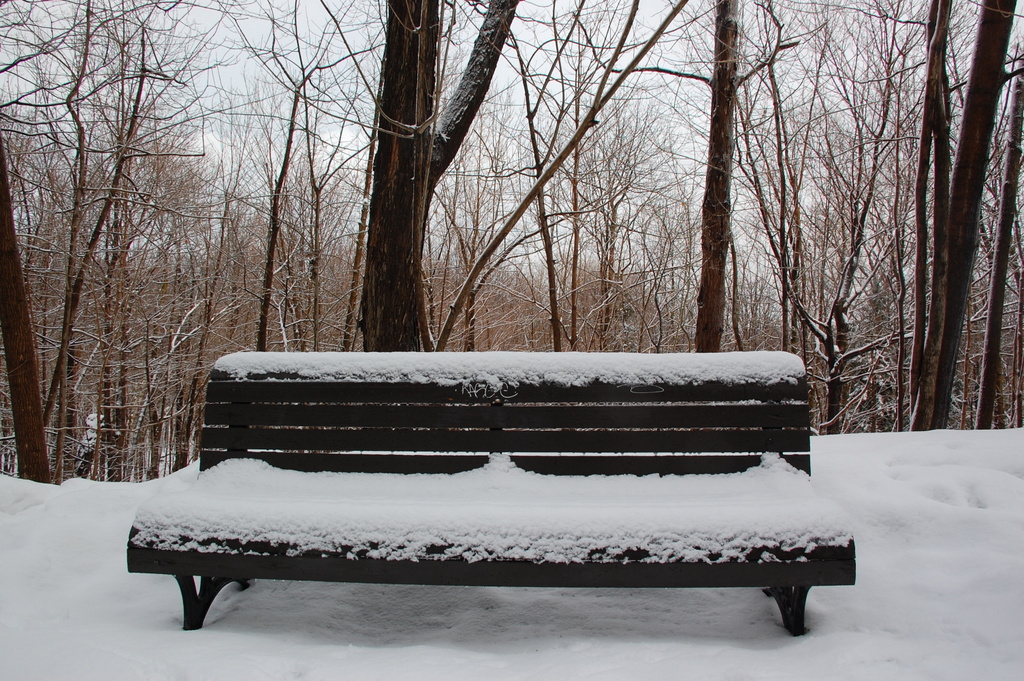
Snow covered benches line the trails up the mountain
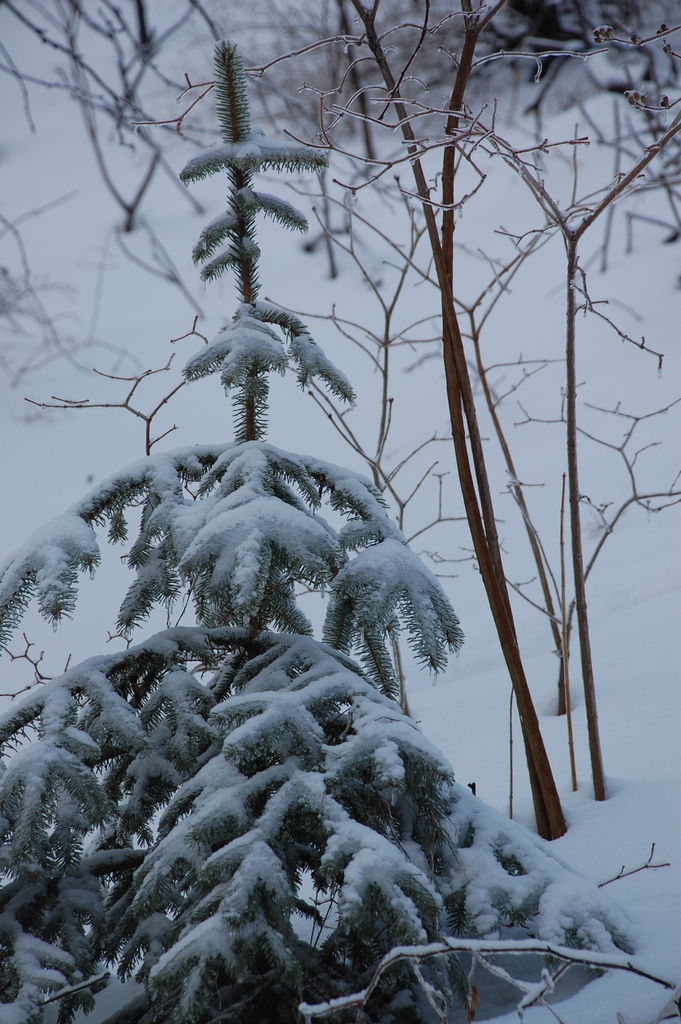
A beautiful sapling weighted down with snow and ice.
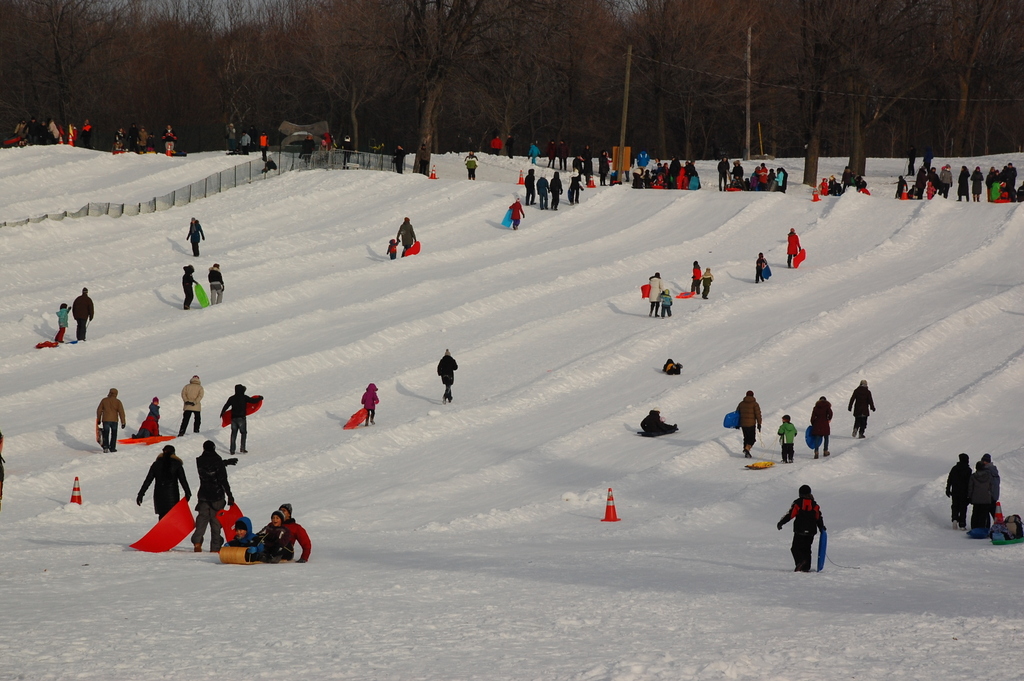
On a sunny day people fill the slopes by Beaver Lake to slide around.
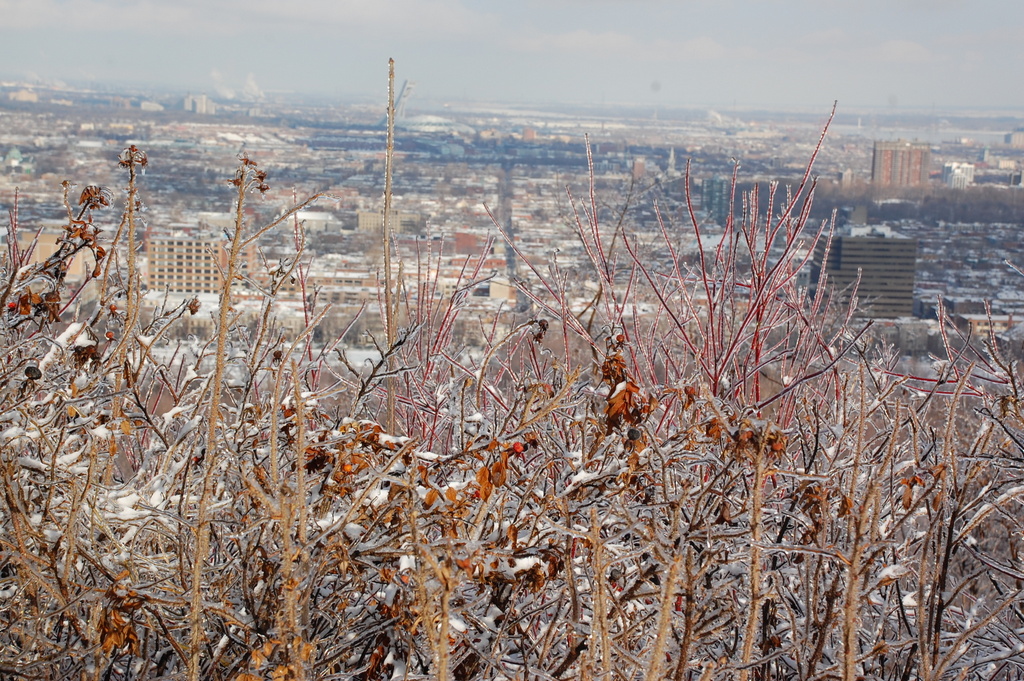
Frozen Roses frame the Plateau and east side of Montreal
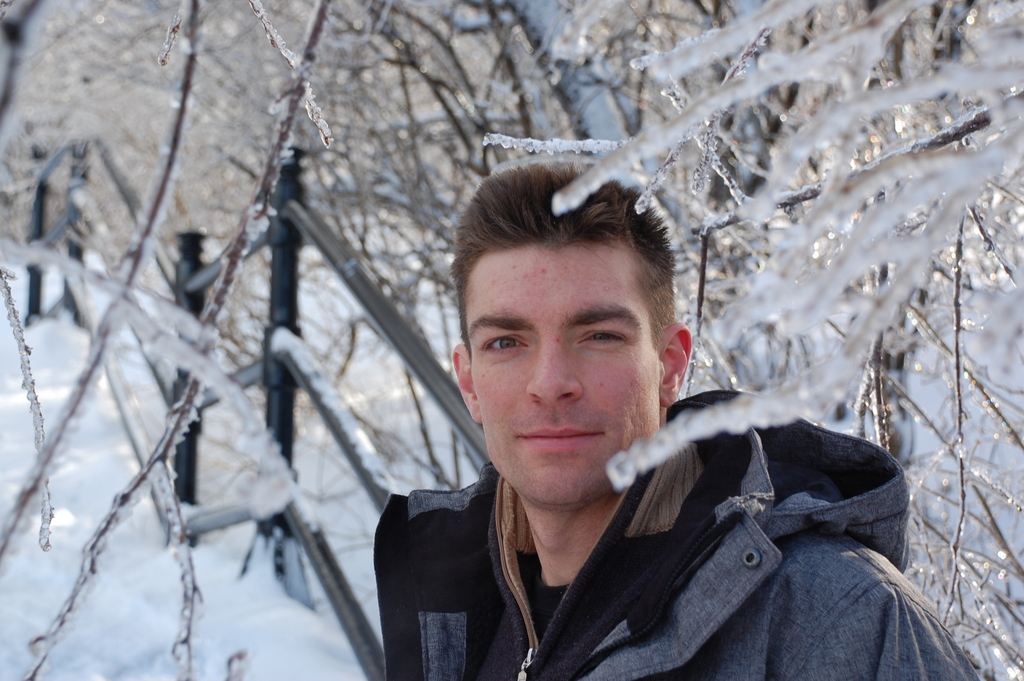
My dear cousin Matt joins me for this icy walk. Climbing up the stairs is done by pulling ourselves along the railing.
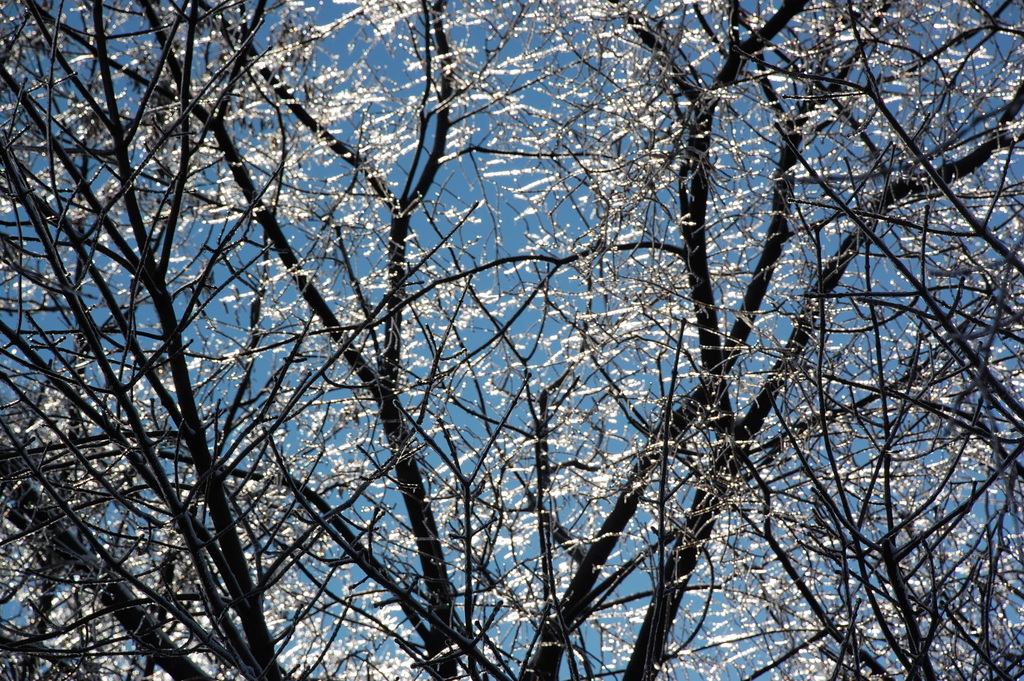
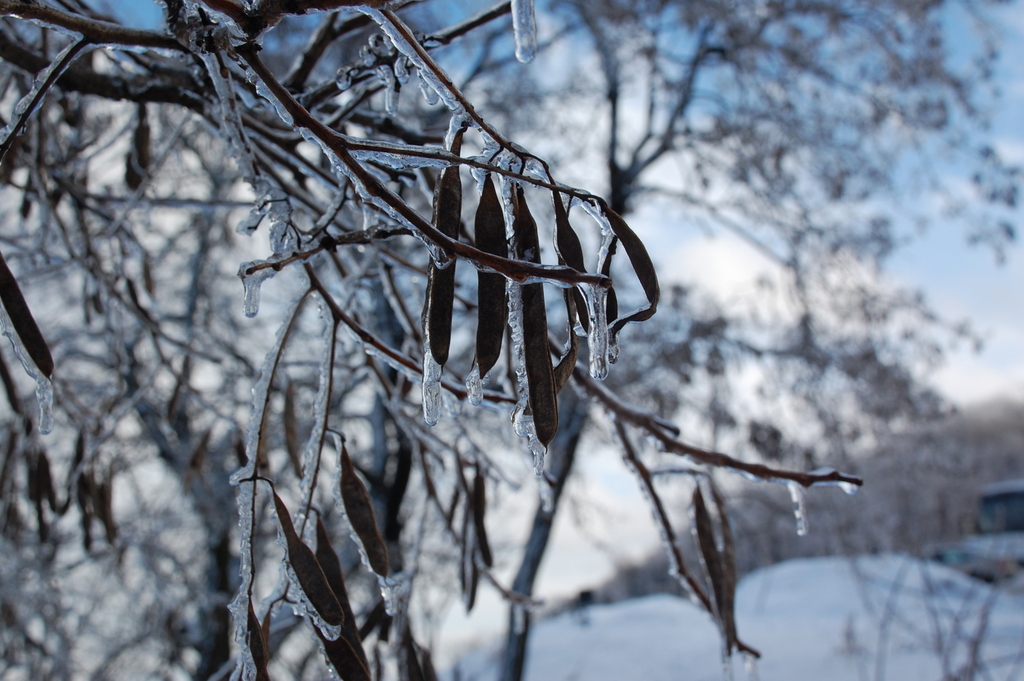
The melting ice on the trees and the rising sun created a winter fairy land.
More ice, trees and sun.
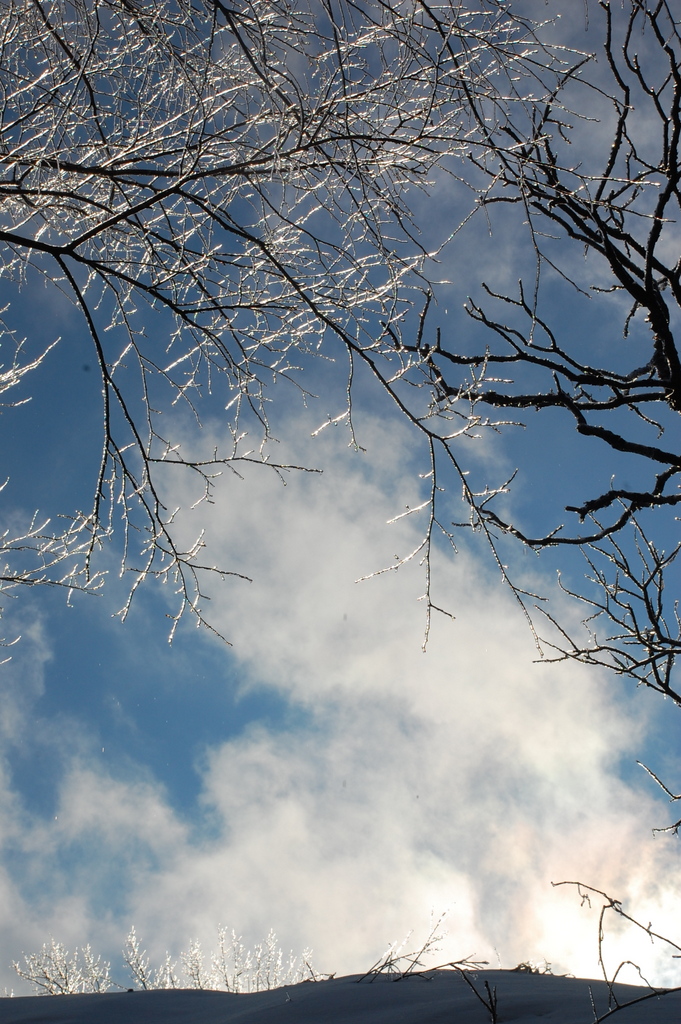
The rising clouds and the ice were truly magnificent.
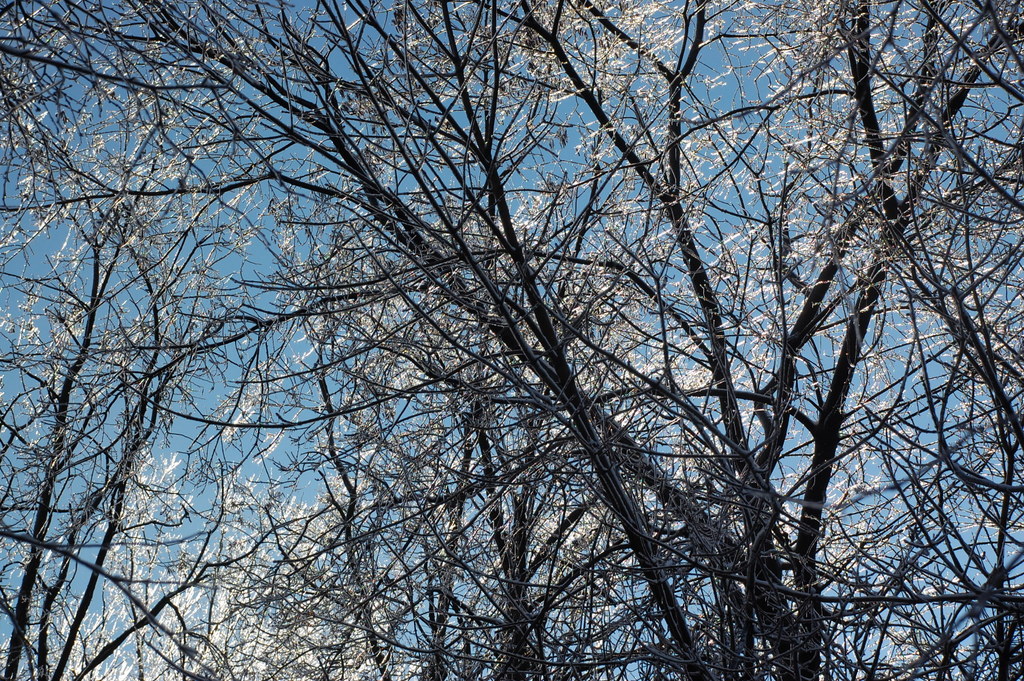
The ice had coated every part of the trees.
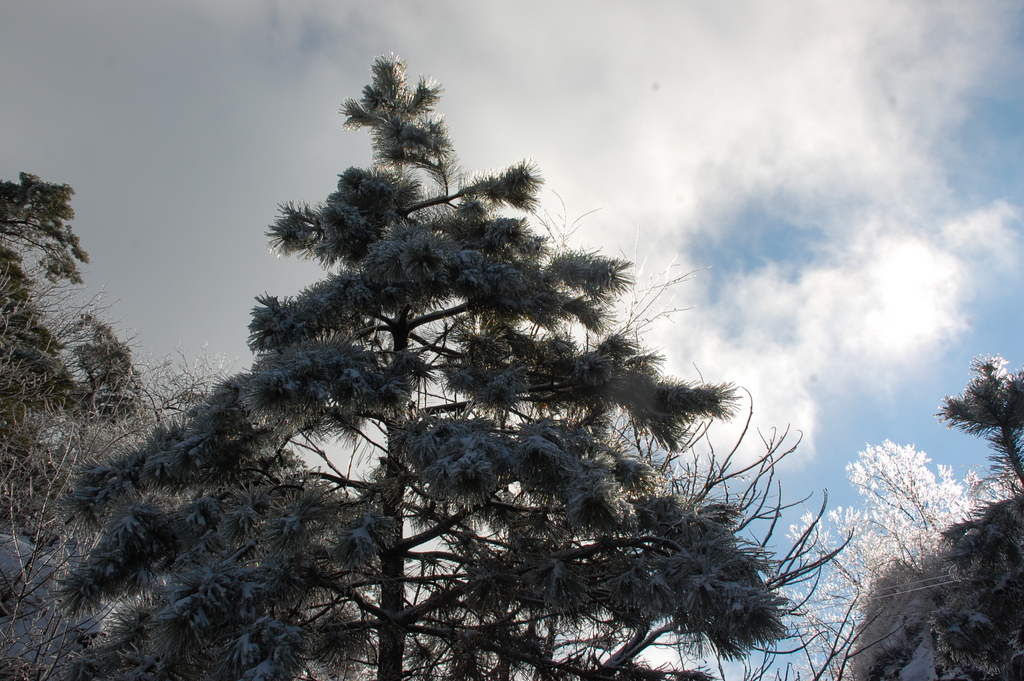
This pine was looking regal with its halo of light and snow tipped shoulders.

Thursday, January 19, 2012

The Mohawk Trail Long House: Spirit of Wellness Community Social. Saturday November 19th, 2011


When Kahienes Sky, the Sauvé Foundation’s Liaison and confidant at the Kahnawake Survival School invited the scholars to her community of Kahnawake, none of us knew what was in store. Apart from the Kahnawake Survival School we had never heard of the Kahnawake Shakotiia’takehnhas Community Services, who were to be the sponsors of a community-wide Traditional Kanien’kehaka Social at the Mohawk Trail Long House; nor had we heard of an official Kanien’kehaka Welcoming/Condolence. We were eager to learn about the protocols between Nations and quickly gathered for a small orientation with Kahienes on some important details to be mindful of such as a respectful dress code and a quick training to the women on the Women’s Shuffle dance! Excitement’ was the word.

The Mohawks of Kahnawá:ke (Kahnawákeró:non) are an ancient people with a vibrant culture and rich history. They are one of the eight communities that make up the Mohawk (Kanien:keha'ka) Nation and have historic, spiritual, political and cultural ties based on Honor, Trust and Respect to the Oneida, Seneca, Onondaga, Cayuga and Tuscarora Nations of the Northeastern part of North America.

In ancient times, these nations achieved a major and innovative development by forming a Confederacy and devising a system of governance known as the Great Law of Peace. In all of the world's history, there are very few examples of such a coming together of nations for the purpose of peace; the formation of the Iroquois (Haudenosaunee) Confederacy is one of them. It is highly believed that both the American and Canadian constitutions derive their unification ingenuity from the prototype of this confederacy.

Our five-car convoy weathered the evening chill of Montreal to get off the island for the Welcoming Ceremony and the community Social. After half an hour, we rounded off the last bend to the Mohawk Trail Long House. The house had two entrances, one on each end. One entrance was for women, the other for men. There were benches along the length of either side of the hall, facing the centre of the room. The woodstoves exuded some warmth and tobacco was to be burnt inside one of them.. Tobacco plays a significant role in the Kanien’kehaka culture, and is always burnt during special ceremonies. This was a special ceremony.

There were four Mohawk men and two Mohawk women, representing each side of their House- - Bears and Wolves/Turtles in the room with the Sauvé contingent. Jeanne Sauve Foundation Board member Nancy Wright, her son David Wright, Alumnus Eloge Butera and Liam McHugh-Russell, including Sauvé program Staff members Simone Hanchet and Valerie Colas all joined the scholars for the event. Nobody else was allowed in. This was a private ceremony. The Welcoming Ceremonial is an important ritual extended to visiting Nations who come within the Mohawk Territorial boundaries to honor their roles and responsibilities in life and to welcome them.

Things began on a low and gradually picked up, the room temperature followed suit. Words of wisdom flowed from two men that were the Faith-Keepers for each side of their Clan; Bear and Wolf. The words were known as “Ohen:ton Kariwentehkwen” or the Thanksgiving Address which was followed by the “official welcoming condolence”.

Aniahtarenken (Clear water) Joe McGregor, the Wolf Clan Faith Keeper and Otsi’tsakaren (Speckled Flower) Charlie Patton, Bear Clan Faith Keeper, both alternated in conveying the most beautiful message in the most poetic manner that drew me into the world of my late grandfather and great grandfathers back in rural Kisumu, Kenya. The words spoke of the people turning their minds and thanking the spirits of life, water, earth, food, forests, seasons, sun, the moon, rainfall, stars, women, animals and health to welcome visiting nations. As a person with immense environmental interest, I was exploding with pride, especially when the elders referred to the earth as Mother Earth. Kind and affectionate. The community is always trying to find ways in which Kahnawáke can go back to its roots of being one with nature, yet still live in today’s modern world. Interestingly, Clear-Water later confided in me that these words have never been written down. That they are passed by word of mouth, from one Clan Faith Keeper to another, and in the Kanien’keha/Mohawk language, not English, yet the message had never been lost in over 500 years!

After an hour or so of these flowing riches, the house swelled with more people and the session gave way to Kanien’kehaka Traditional Social songs and dance. The different water drummers and the soloist got everybody to their feet. The Mohawk men in their Mohawk hairstyle and colourful outfits led the way and the women joined in. Slowly, the scholars got up and everyone was soon on the dance floor. The dance looked simple but very tricky to pull off. I can remember Dechen, Yimin, Maria, Stephanie and Mohammed struggling to maintain step. Simangele and the ‘fifteenth scholar’ Fredrick Dolmans, were actually good at the dance. The water drummers took turns, including the Kanehsatake Women’s Singing Society who did a couple of songs and dances.

By the time the Social/dance was midway, we were all sweating. Outside the Long House, the rain pounded hard, almost as if trying to keep pace with the drummers. We didn’t notice this peculiar rivalry. We were busy chanting, shuffling feet, jumping and changing partners to the amusement of the local folks.

At 9:30pm, we gathered for dinner but kept close to the elders to get some insight into the words that were spoken and the meaning in the symbol of the “Spirit of Wellness” campaign for the Kahnawake Community. I remembered the invite-poster that Kahienes had sent to the Scholars inbox and I wanted to understand it. The image on the background of the poster had five individuals holding close, like a family, complete with children. The foregrounding was more telling. What appears like the open palm of a human hand exposed an imprint of a little girl watering a runner-like plant. The plant then twines its way round the open palm in five shoots moving in different directions. The longest shoot hugs the family in the background, ending in a soft curl, cooed by the symbol of love. The other shoot ends in an animal footprint, two others end boldly with the symbol of love and one ends in a sphere with the colours yellow, red, white and black. Two animal footprints complete the image, flanking either side of the Palm, a Bears’ on the right and a Wolfs’ on the left.

Nobody asked for the meaning of the symbol, because deep down we all knew it had been elaborated in the “Ohen:ton Kariwentehkwen” or the Thanksgiving Address. I looked around the walls of the Long House, there were all manner of gifts and artefacts from around the globe, each speaking in silence of the meaning from each country. I knew that very soon our gifts would join those on the walls. Each a symbol of friendship and each a Symbol of The Spirit of Wellness.

May this words stay in your minds!

Paul Omonge, 2011-2012.